A Deep Study Steel Foundries: Vital Information and Sector Patterns
Metal factories play a vital duty in the production field, changing raw products right into essential components. The processes involved, from thawing to quality assurance, are complex and call for precision. Recent developments are improving the market, presenting automation and sustainability practices. Challenges continue, specifically concerning labor and product costs. Understanding these aspects is basic for comprehending the present landscape and future direction of factories. What exists ahead for this fundamental industry?
Comprehending the Steel Factory Process
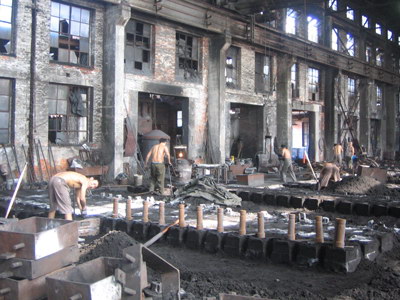
The metal foundry procedure may seem complex, it rotates around a couple of essential stages that transform raw products right into ended up steel products - Aluminum Foundry. Originally, basic materials such as steel ores, scrap steel, and alloys are sourced. These products undertake melting in furnaces, reaching high temperature levels to dissolve the metal. When molten, the steel is put into molds, where it strengthens and cools down right into the preferred form
Following solidification, the castings are eliminated from the mold and mildews, bring about more handling. This might consist of cutting excess product, surface ending up, and warmth treatment to improve residential properties. Quality assurance evaluations are important throughout the process to guarantee that the end products fulfill required requirements and standards.
Secret Technologies Fueling Shop Technologies
The improvements in technology have actually greatly impacted the metal foundry sector, driving developments that boost performance and product high quality. Trick modern technologies improving this field include automation and robotics, which streamline procedures and decrease labor costs, permitting precision in mold and mildew making and steel pouring. Furthermore, the adoption of 3D printing is transforming pattern production, enabling complex styles that typical methods can not achieve. Simulation software has emerged as an important tool, permitting factories to forecast and solve possible casting flaws before manufacturing, thus saving time and resources. The integration of IoT (Net of Things) tools boosts tracking and data collection, helping with real-time modifications to processes. Improvements in metallurgy, such as the advancement of brand-new alloys, are expanding the abilities of shops to create stronger and lighter parts. With each other, these modern technologies are changing the landscape of metal foundries, driving them towards better advancement and competitiveness.
The Role of Quality Control in Metal Casting
Quality assurance plays an important function in metal casting, making sure that each part meets rigorous specifications and efficiency requirements. This procedure entails a range of methods, consisting of visual examinations, dimensional measurements, and material testing - Metal Foundry. Shops utilize quality assurance employees that monitor each phase of manufacturing, from basic material option to the end product examination
By utilizing sophisticated technologies such as non-destructive testing and automatic evaluation systems, steel factories can determine problems early in the manufacturing cycle. This positive method minimizes waste and reduces the likelihood of pricey rework. Additionally, adherence to industry criteria, such as ISO qualifications, strengthens a foundry's dedication to top quality, enhancing customer confidence and fulfillment.
Ultimately, efficient view it high quality control not just enhances the integrity and durability of cast parts however likewise drives constant renovation within the shop, promoting a society of excellence and advancement in metal spreading procedures.
Sustainability and Environmental Practices in Foundries
As metal factories progressively acknowledge their effect on the setting, a dedication to sustainability has actually ended up being essential in their functional practices (Aluminum Foundry). Many foundries are applying energy-efficient technologies, such as electrical induction furnaces, which considerably minimize greenhouse gas exhausts contrasted to standard methods. The fostering of recycled products, specifically scrap steel, has actually likewise obtained grip, reducing waste and conserving natural deposits
Water monitoring practices are being improved to minimize usage and avoid contamination. Numerous shops are investing in closed-loop systems that reuse water made use of in cooling and cleaning processes. Additionally, dirt and emissions control innovations are being updated to ensure compliance with environmental guidelines.
Future Trends and Obstacles in the Steel Factory Sector
Emerging trends in the metal shop market highlight a shift towards progressed technologies and ingenious methods targeted at enhancing efficiency and competitiveness. Automation, consisting of robotics and expert system, is increasingly adopted to enhance operations and decrease labor costs. Furthermore, the assimilation of Market 4.0 modern technologies helps with real-time data analysis, enabling far better decision-making and anticipating upkeep.
Challenges continue. The market deals with a competent labor scarcity, demanding investment in workforce training and development. Moreover, fluctuating resources prices and supply chain interruptions position significant obstacles. Ecological important source regulations are coming to be stricter, pushing factories to adopt lasting methods that can be pricey initially but helpful lasting.
Additionally, the need for light-weight and high-performance alloys is increasing, calling for shops to introduce their materials and processes. Balancing these patterns with continuous difficulties will certainly be important for the future success of the steel factory market.
Frequently Asked Inquiries
What Is the Background of Steel Shops?
How Do Foundries Determine Steel Alloy Compositions?
Factories figure out steel alloy structures via a combination of empirical screening, computer modeling, and sector requirements. They analyze preferred buildings, application requirements, and cost-effectiveness, making certain the final alloy satisfies particular efficiency criteria for intended usages.
What Are the Most Typical Factory Materials Used?
The most usual factory materials include cast iron, aluminum, bronze, steel, and brass. These products are preferred for their adaptability, toughness, and longevity, making them appropriate for numerous applications in manufacturing and building.
Just How Do Shops Manage Hazardous Waste Disposal?
Foundries manage contaminated materials disposal with stringent adherence to ecological guidelines, using specialized control systems, reusing efforts, and partnerships with licensed waste administration business to ensure compliant and secure disposal of toxic materials.
What Job Opportunities Exist in the Steel Foundry Industry?

Steel shops play an important role in the manufacturing market, transforming raw products into vital elements. The metal shop procedure may appear complicated, it revolves around a few essential stages that change raw products into finished steel try here items. The developments in modern technology have actually substantially influenced the steel factory sector, driving advancements that enhance efficiency and item quality. The background of steel factories dates back to ancient human beings, where artisans initially melted metals to develop decors and tools. The metal shop industry supplies diverse job opportunities, including functions in design, quality control, operations management, and environmental conformity.